Historical Hats, Caps and Hoods: From Antiquity to the Napoleonic Wars
Historical headwear tells a story of climate, craftsmanship, social status and changing fashions. From the simple caps of antiquity to medieval wool hoods and the military hats of the Napoleonic era, hats and caps served both practical and symbolic purposes. They protected their wearers from the weather, expressed regional identity and marked rank, occupation or allegiance.
Headwear in Antiquity: Greeks, Romans and Celts
In ancient Greece, the petasos, a broad-brimmed hat associated with travellers, offered protection from the sun. The pilos, a close-fitting cap, appeared in several forms throughout the ancient Mediterranean. In the Roman world, the pileus became associated with freedom and the emancipation of enslaved people.
Among the Celts, clothing and head coverings varied by region and period. Evidence is uneven, so Celtic-inspired headwear should be distinguished from reconstructions based on specific archaeological finds. Wool and other woven textiles provide a natural starting point for outfits inspired by ancient European communities.
Viking Hats and Early Medieval Caps
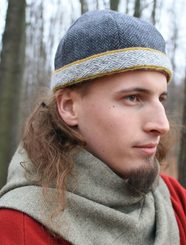
During the Viking Age, caps and other head coverings formed part of the clothing traditions of northern Europe. Archaeological evidence from sites such as Birka helps inform reconstructions of early medieval headwear, although the shape and construction of individual pieces may require interpretation.
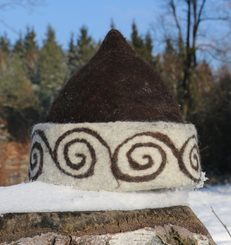
Viking wool caps, textile head coverings and fur-trimmed designs evoke the clothing of the early medieval North. Materials, decoration and finishing could reflect both practical needs and the wearer’s access to valuable goods.
Medieval Hats, Coifs and Hoods
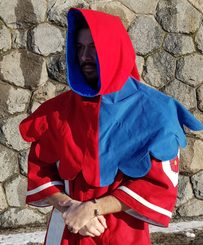
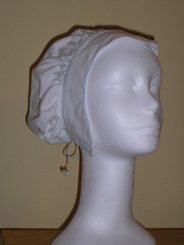
Throughout the Middle Ages, headwear became an increasingly varied part of everyday dress. Linen coifs, wool caps, felt hats and hoods were worn in different combinations according to period, region and social circumstances. A hood could cover the head and shoulders, providing useful protection against cold and rain.
In later medieval Europe, headwear also became a striking expression of fashion. The chaperon, which developed from the hood, could be arranged into elaborate forms. Medieval hats decorated with feathers, brocade or other details complemented the clothing of prosperous townspeople and courtly society.
Renaissance Hats and Early Modern Fashion
During the Renaissance, caps and hats reflected changing ideas about silhouette, colour and display. Berets, flat caps and brimmed hats appeared in regional styles, often enriched with feathers, ribbons or decorative fabrics.
Across the sixteenth and seventeenth centuries, felt hats became prominent in both civilian and military dress. Broad brims offered practical protection while also creating the distinctive outlines associated with travellers, soldiers and musketeers.
Tricorn Hats in the Eighteenth Century
The tricorn hat, or tricorne, developed as the brim of a broad-brimmed hat was turned up on three sides. It became a recognisable feature of eighteenth-century European dress, worn by civilians, officers and soldiers.
Today, tricorn hats are closely associated with historical military uniforms, maritime clothing and pirate-inspired costumes. Their appearance varied considerably, from simple felt forms to designs finished with braid, edging or cockades.
Bicorne Hats and the Napoleonic Wars
By the late eighteenth century, the bicorne hat had become an important element of military and formal dress. Its two-sided shape is particularly associated with Napoleon Bonaparte and the officers of his era, though it was worn in different orientations according to fashion and uniform regulations.
During the Napoleonic Wars, military headwear also included shakos, bearskin caps and other regiment-specific designs. These forms helped identify units and rank while contributing to the distinctive appearance of early nineteenth-century armies.
Historical Headwear for Reenactment, LARP and Period Costumes
Choosing historical hats and caps starts with the period, region and character you want to portray. A Viking cap, medieval hood, Renaissance hat, eighteenth-century tricorn or Napoleonic bicorne can define the silhouette of an entire outfit.
Explore headwear for historical reenactment, LARP, theatre, film and historical festivals, and select materials, shapes and details that suit your intended setting. For an accurate reconstruction, use sources specific to the place and date you are portraying.