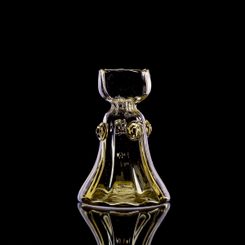
Light has played a key role in the history of human civilization, not only in a practical sense but also symbolically. The development of lighting fixtures, from simple ceramic lamps to ornate brass lanterns, demonstrates how people have sought to adapt to darkness and ensure safety, orientation, and comfort. The aesthetics of lighting accompany everyday life and influence our perception of space. Do you want to experience the atmosphere of our ancestors' homes? In our selection, you will find ancient oil lamps that illuminated homes and temples thousands of years ago, as well as practical lighting for a historical camp.
History of Lighting:
Lighting has accompanied us since ancient times. As early as the era of the first city-states, humanity began using simple oil lamps and light sources made from animal fat to illuminate homes and public spaces. In Rome, ceramic lamps filled with olive oil were popular, providing both practical and decorative light. The oldest example of ancient public lighting is believed to be mentioned in Pompeii, where archaeological findings indicate that 510 lamps were placed at three-meter intervals, illuminating a main street approximately 700 meters long. In the Middle Ages, hanging chandeliers and lanterns made of metal or glass became more common, protecting the flame from wind and rain.
Roman Oil Lamps: The Beginnings of Practical Lighting
Oil lamps are considered one of the oldest forms of lighting. They were primarily made of ceramics and used in households, public buildings, and even temples. These ceramic lamps were often richly decorated, and when filled with high-quality oil, they burned with a bright flame and produced minimal smoke. Unlike animal tallow, olive oil did not attract insects and carnivores with its scent. Ceramics were relatively inexpensive and widely available, allowing an increasing number of people to use this aesthetically pleasing type of lighting.
Hanging Chandeliers, Candles, and Lanterns: Medieval Development
During the Middle Ages, lighting relied on oil lamps and tallow candles. Unlike in antiquity, beeswax became more accessible, leading to a rise in the use of wax candles. A breakthrough invention, however, was the hanging chandelier. Made of metal or wood, hanging chandeliers allowed light sources to be suspended in a room. This was particularly useful in spaces with high ceilings, such as monasteries, churches, and castles. Due to their elaborate decoration, they gained popularity as an artistic element and became an integral part of medieval interiors.
Lanterns primarily served as a means of protecting the flame from weather conditions. Throughout the Middle Ages, lanterns were made from various materials, but the most common ones were metal lanterns with glass or translucent panels.