Historical Dining from Antiquity to the Middle Ages
Historical dining was not just about food but also about culture, customs, and social status. From antiquity to the Middle Ages, not only the meals themselves evolved, but also the tableware, vessels, and serving methods. Each period had its own specifics and materials, reflecting the available resources and technologies.
Ancient Dining – A Symbol of Luxury
In ancient Rome and Greece, dining was quite different from the Middle Ages. Romans used bronze, ceramic, and glass goblets, silver plates, and richly decorated bowls. Their feasts took place while reclining on couches, and food was often eaten with hands. Bread, olives, fruits, and roasted meat were served on ceramic or bronze trays. Roman dining culture was renowned for its luxury, and tableware was often adorned with intricate reliefs.
Medieval Feasting – Wood, Ceramics, and Simplicity
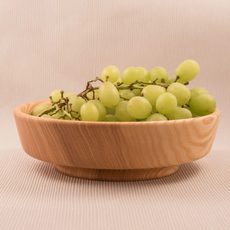
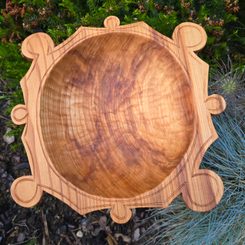
Unlike antiquity, medieval dining was simpler and more practical. Most households used wooden bowls, plates, and bread trenchers as serving bases. Ceramics were more common among townspeople, while wooden and metal vessels were favored by the nobility. Goblets and cups were made of pewter, horn, or glass and were often decorated with ornate designs. Knives were common, but forks only became widely used later.
Replicas for Historical Events and Reenactments
Our collection includes replicas of historical tableware suitable for historical events, reenactments, and camping. We offer carved spoons, wooden bowls, goblets, cups, cooperage products, and complete dining sets that faithfully reflect period originals.
Dining for History Enthusiasts
Whether you are organizing a medieval feast, a Roman celebration, or a historical camp, the right tableware will bring authenticity to your event. High-quality, handcrafted items inspired by history allow you to experience the atmosphere of ancient times in every detail. Discover the charm of historical dining and travel back in time with traditional craftsmanship.