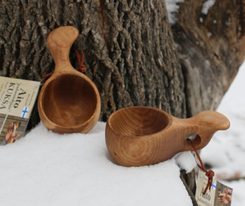
Lapland, the traditional home of the Sámi people, harbors a rich history and captivating mythology of this original Nordic culture. The Sámi, also known as the Lappish Indigenous people, constitute an Indo-European ethnicity with a unique language, Sámi, and a rich tradition closely connected to nature and the spiritual world.
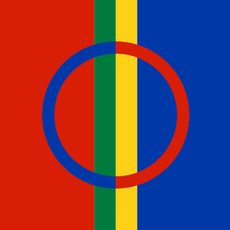
In Sámi mythology, deities associated with nature and life in the Nordic environment play a key role. For instance, the goddess Sáráhkká is the protector of fertility and hunting success, while the goddess Máttaráhkká is the patroness of agriculture and herding. The Sámi belief is intricately tied to nature, where every aspect of the environment has its own spirit or essence.
The history of the Sámi extends thousands of years, and their traditional way of life has been heavily influenced by nomadism, fishing, and hunting. The Sámi were adept at surviving in the harsh Nordic conditions, and their tradition was meticulously preserved through the transmission of knowledge from generation to generation.
In addition to practical skills and livelihood, encounters with other Nordic cultures also played a significant role in Sámi history, influencing their art, craftsmanship, and myths. From this history emerged a unique combination of traditional Sámi patterns with cultural influences from surrounding regions.
Overall, the history and mythology of the Sámi paint a fascinating picture of a culture deeply rooted in the natural world, traditions, and the spiritual realm of the Nordic environment.