


Mead
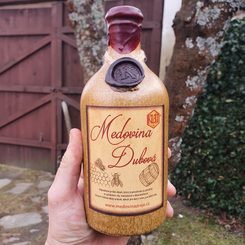
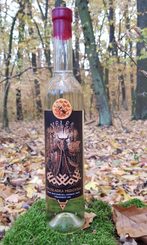
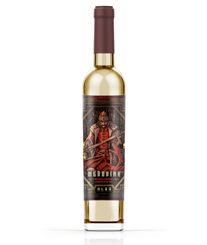
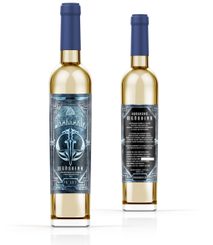
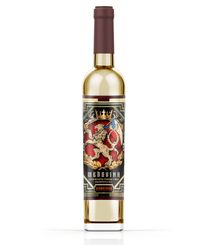
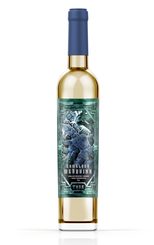
Mead is considered a traditional drink, likely even older than wine, and is a purely natural product. Mead is made by fermenting honey diluted with water, sometimes with fruit juice, and it can also be flavored with various herbs or spices. It has beneficial effects on the digestive system and can be enjoyed chilled or warm, especially during colds, making it a versatile beverage.


1-34 from 34 products
Osobní odběr

Osobní odběr


Osobní odběr

Osobní odběr

Osobní odběr

Osobní odběr


Osobní odběr

Osobní odběr


Osobní odběr

Osobní odběr

Osobní odběr

Osobní odběr

Osobní odběr


Osobní odběr

Osobní odběr


Osobní odběr


Osobní odběr


Osobní odběr

Osobní odběr

Osobní odběr

Osobní odběr


Osobní odběr


Osobní odběr


Osobní odběr


Osobní odběr


Osobní odběr


Osobní odběr


Osobní odběr
New

Osobní odběr

Osobní odběr


Osobní odběr


Osobní odběr

Osobní odběr


Osobní odběr

