-
Catalogue of products
-
- Sale
-
 Silver jewellery
-
All in the category Silver jewellery
- Pendants
- Bracelets
- Rings
- Earrings
- Moldavites, czech
- Necklaces
- Golden jewellery
- Torcs - necklaces
- Amber jewelry
- Jewellery sets
- Brooches and buckles
- Silver and stones, jewels
-
Thematic jewelry collections
-
 All in the category Thematic jewelry collections
- Lapponia jewellry
- VIKINGS - bracelets
- Art nouveau jewelry
- Dinosaur pendants
- Mythology collection, ancient cultures
- Nautical silver jewelry
- Filigree and granulated replica jewels
- Garnet jewelry - czech made
- Mystica silver collection - pendants
- Mystica silver collection - earrings
- Mystica collection - silver necklaces
- Historical jewelry
- Zodiac, silver pendants
- Viking jewelry
- Pendants - Historia
-
-
-
 Jewellery - bronze, zinc
-
All in the category Jewellery - bronze, zinc
- Amulets and talismans
- Bronze and brass replicas - jewellery
- Gilded jewelry
- Cords, boxes, chains
- Forged jewelry, torcs, bracelets
- Costume jewellery
- Keychains
- Fantasy jewels
- Crowns and tiaras
- Bronze historical jewels
- Chakra, reiki
- Celtic brass jewels, import from Ireland
- Badges, historic jewels
- Scottish clan badges
- Original celtic jewelry
-
-
 Replicas - Swords, Axes, Knives
-
All in the category Replicas - Swords, Axes, Knives
- Sharp Blades - throwing knives
- Swords
- Axes, poleweapons
- Daggers
- Knives
- FakeSteel armory
- Maces, war hammers
- Saex knives, scramasax
- Lances, spears
- Archery
- Damascus steel knives
- Falchions and Lange Messers
- Swiss army knives
- HMB - swords, falchions, axes, weapons
- Firearms, cannons
- Viking knives
- Hunting hangers
- Pillow Fight Warriors
- Knives - accessories, sharpeners
- Kitchen knives
-
-
 Armour Helmets, Shields
-
 T-shirts, Boots
-
 Ceramics, Glass
-
 Leather Products
-
All in the category Leather Products
- Belts
- Bags, sporrans
- Belt accessories
- Hair clips, accessories, jewellery
- Wallets
- Wristbands
- Leather stamps
- Leather material, furs
- Custom made belts
- Leather masks
- Bottles, hip flasks
- Keychains, whips, other
- Leather care, dyes and stains
- Historical shoemaking
- Leathercraft tools
- Riding shop - horse saddles
- Falconry
- Furs, Reindeer Skins
-
-
 Horn Products
-
 Smithy Works, Coins
-
 Bushcraft, Living History, Crafts
-
All in the category Bushcraft, Living History, Crafts
- Bushcraft
- Forged carving chisels
- Kuksa - Finnish dishes
- Leather, furs, skins, pergamens
- Europe
- Drugstore
- Historical glass beads, replica
- Rocailles Czech glass beads
- Deer antler products
- Craftsman tools, acessory
- Prehistoric ages
- Native americans
- Old Slavs
-
-
 Coins
Coins
-
 Shoes, Costumes
-
 Drums, Flutes
-
 Historical Board Games
-
 Pagan decorations
-
All in the category Pagan decorations
- Figures, lamps, cups
- Vánoční ozdoby
- Boxes, pencil cases
- Mugs, goblets, scarves
- Dragons
- Antler furniture, lamps
- Animal figures
- Historical miniatures
- Wall plaques, clock
- Pictures
- Products from antler, wood
- Exterior decorations
- Scrolls, posters, puzzle
- Tin figures, goblets
-
-
 Woolen products, Ireland
-
 Wood
Wood
-
 Wargaming
-
 Licensed Merch - films, games
-
All in the category Licensed Merch - films, games
- Warhammer 40K
- 2001 Space Odyssey
- AC/DC
- Alien
- Antman
- Assassin's Creed
- Asterix
- Avatar
- Avengers - Infinity War
- Back to the Future
- Batman
- Beetlejuice
- Big Bang Theory
- Blade Runner
- Bud Spencer - Terence Hill
- CBGBs
- Clockwork Orange
- Deadpool
- Deep Purple
- E.T. the Extra-Terrestrial
- Frank Zappa
- FULL METAL JACKET
- GAME OF THRONES
- Ghostbusters
- Godfather
- Gremlins
- GUARDIANS OF THE GALAXY
- HAN SOLO MOVIE
- Harry Potter
- Iron Maiden
- IT
- Jaws
- James Bond 007
- Jurassic Park
- King Kong
- Knight Rider
- KISS
- Led Zeppelin
- LOONEY TUNES
- LORD OF THE RING
- Magic the Gathering
- Marvel
- VIKINGS
- Metallica
- Metro Exodus
- Mortal Kombat
- Mr Pickles
- NASA
- Nirvana
- Peaky Blinders
- Pearl Jam
- Pink Floyd
- Planet of the Apes - Planeta opic
- Pokémon
- Predator
- Queen
- Rambo
- Rick and Morty
- Robocop
- Spiderman
- Star Wars
- Suicide Squad
- Superman
- Teenage Mutant Ninja Turtles - Želvy ninja
- The Doors
- The Witcher
- Thor Ragnarok
- Vikings
- World of Warcraft
- Rocky
- Terminator
- Dračí Hlídka
-
-
 Magic
Magic
-
 Books, Maps, Stickers
-
 Historical Tents
-
 Sculptures, Garden Decor
-
 Mead, Honey
-
 Moldavites, minerals, fossils
-
 Cosmetics
-
 Archeology, Geology
-
 Interior design
-
 Yule decorations, Glass Beads
-
 Aromatherapy
-
 FILM and props
-
 Outdoor - Bushcraft
- Naav
- Arma Epona
- WHOLESALE lots
- Gift Certificates
- SPECIAL OFFER, discounts
-
- Log in
- Create an account
- Wholesale
- Contact us
- Country (English)
- Currency ($ - USD)




0
Empty basket
Nothing was added in your basket.
- Weapons - Swords, Axes, Knives
- Lances, spears
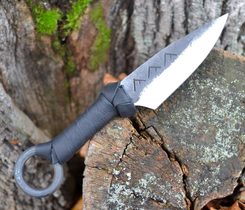
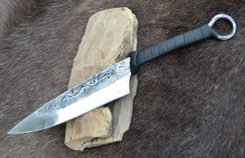
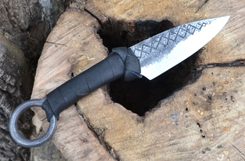
- FORGED LANCE, 11 cm


Hand forged lance. Length: 11 cm.
![FORGED LANCE, 11 CM - LANCES, SPEARS{% if kategorie.adresa_nazvy[0] != zbozi.kategorie.nazev %} - WEAPONS - SWORDS, AXES, KNIVES{% endif %}](http://i00.eu/img/602/1024x1024w/ajp0tzll/1543.jpg)
![FORGED LANCE, 11 CM - LANCES, SPEARS{% if kategorie.adresa_nazvy[0] != zbozi.kategorie.nazev %} - WEAPONS - SWORDS, AXES, KNIVES{% endif %}](http://i00.eu/img/602/1024x1024w/5oaumf75/23821.jpg)
![FORGED LANCE, 11 CM - LANCES, SPEARS{% if kategorie.adresa_nazvy[0] != zbozi.kategorie.nazev %} - WEAPONS - SWORDS, AXES, KNIVES{% endif %}](http://i00.eu/img/602/1024x1024w/w6dilwqd/23822.jpg)
Share:
Related products